
Blog
Air Cooler vs AIO Liquid Cooler: Which Is Better for Gaming?

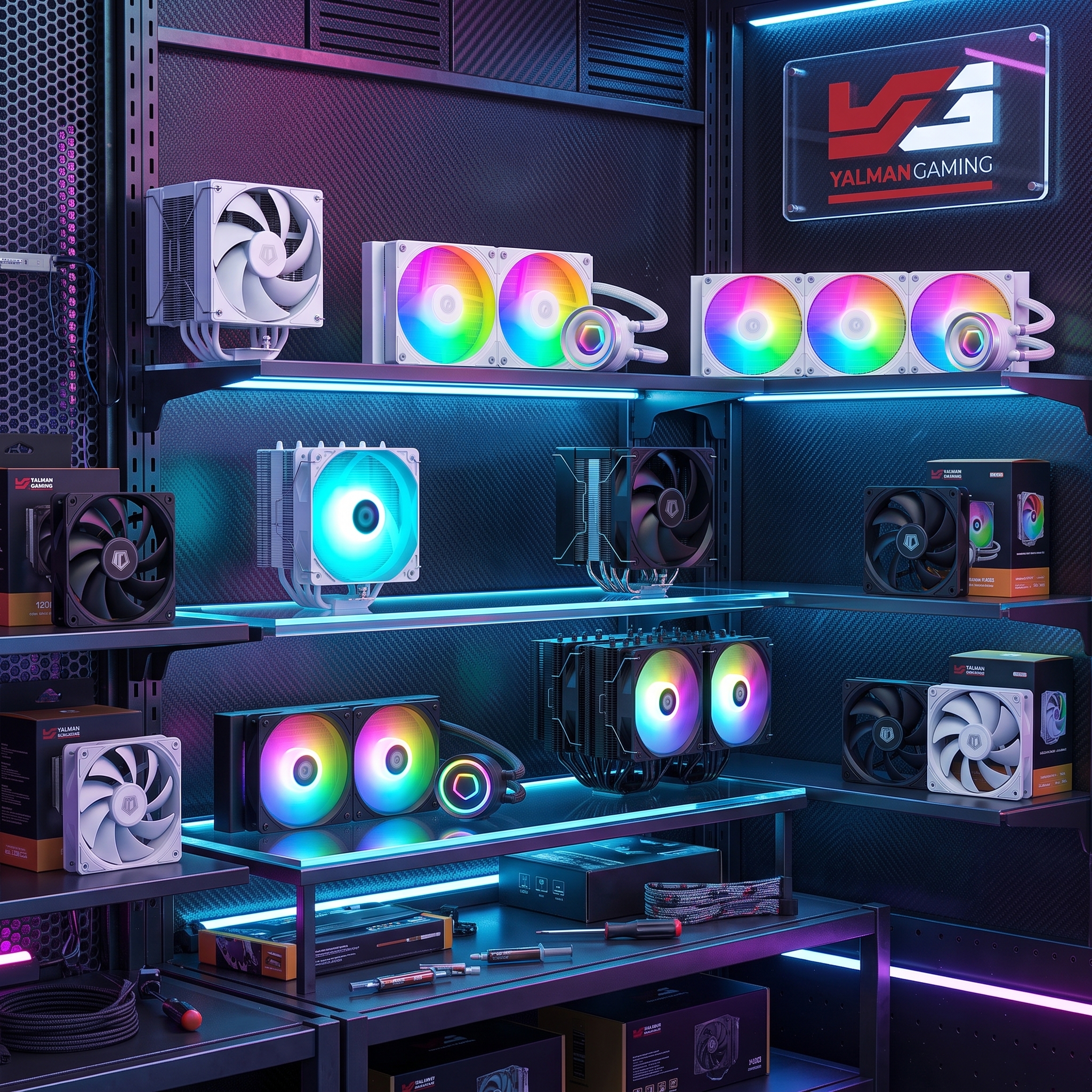
Choosing between an air cooler and an AIO liquid cooler is one of the most common questions gamers face when building or upgrading a PC. Both do the same core job keeping your processor cool so it runs at full speed but they do it in different ways, at different price points, and suit different kinds of builds. This guide breaks down the air cooler vs AIO liquid cooler debate in simple terms, with practical advice for gamers in Pakistan so you can pick the right one without overspending.
What Does a CPU Cooler Actually Do?
Every time your CPU works whether you’re gaming, streaming, or editing it produces heat. If that heat isn’t removed fast enough, the processor slows itself down to protect its components, a process called thermal throttling. The result is lower frame rates and sudden stutters right in the middle of a match. A good cooler keeps temperatures under control so your CPU can run at its full rated speed and last for years. The question is simply which type of cooler does that job best for your build: air or liquid.
How an Air Cooler Works
An air cooler uses copper heatpipes to pull heat away from the CPU, spread it across a large finned aluminium heatsink, and then a fan blows that heat out into the case where your case fans push it outside. It’s a simple, proven design that has cooled PCs for decades.
Strengths of Air Coolers
- Affordable: You get excellent cooling for a fraction of the price of a liquid cooler.
- Reliable: No pump and no liquid means nothing to fail or leak — fewer moving parts, longer life.
- Easy to install: Mount the bracket, seat the heatsink, plug in the fan, and you’re done.
- Low maintenance: Fit it once and forget it for the life of the build.
Where Air Coolers Fall Short
- Size: Large dual-tower coolers are tall and bulky, and can block tall RAM or not fit in small cases.
- Looks: A big metal heatsink doesn’t give the clean, premium look that many gamers want.
- Peak cooling: On the hottest high-end CPUs under heavy overclocking, the best liquid coolers pull ahead.
How an AIO Liquid Cooler Works
An AIO (all-in-one) liquid cooler uses a pump to circulate coolant through a block sitting on your CPU. The warm liquid travels through tubes to a radiator, where fans cool it down before it cycles back. Because liquid moves heat more efficiently than metal fins alone, AIOs can shift a lot of heat away from the CPU quickly and they move it straight to the edge of the case for exhaust.
Strengths of AIO Liquid Coolers
- Stronger cooling under load: Especially with 240mm and 360mm radiators on high-end CPUs.
- Cleaner look: No bulky heatsink over the motherboard just a tidy block, often with ARGB lighting.
- Less motherboard stress: Weight sits on the radiator mounted to the case, not hanging off the board.
- Quieter at the same temperature: Large radiators let fans spin slower while still cooling well.
Where AIOs Fall Short
- Price: A good AIO costs noticeably more than an equally capable air cooler.
- Pump reliability: The pump is a moving part that can eventually fail and there’s a small long-term risk of leaks.
- Installation: Mounting a radiator and routing tubes takes a little more effort than an air cooler.
Air Cooler vs AIO Liquid Cooler: Head-to-Head
| Factor | Air Cooler | AIO Liquid Cooler |
|---|---|---|
| Price | Lower — best value | Higher |
| Cooling performance | Great for most CPUs | Best for high-end / overclocking |
| Noise | Quiet to moderate | Often quieter under load |
| Reliability | Highest — no pump | Good, but pump can fail |
| Installation | Simple | Moderate |
| Looks | Functional | Premium, ARGB-friendly |
| Best for | Budget & mid-range builds | High-end & show-piece builds |
Which Should You Buy for Gaming?
Here’s the simple way to decide, based on the kind of build you’re putting together:
Choose an Air Cooler if…
- You’re building a budget or mid-range gaming PC and want the best value.
- You run a mainstream Intel or AMD gaming CPU without heavy overclocking.
- You want maximum reliability with zero leak risk and no maintenance.
Choose an AIO Liquid Cooler if…
- You have a high-end CPU, or you plan to overclock for extra performance.
- You want a clean, premium build with ARGB lighting as a centrepiece.
- Your case is tight on CPU cooler height but has room for a radiator.
For the majority of gamers in Pakistan building a budget to mid-range rig, a quality air cooler is the smarter choice it keeps temperatures in check, costs less, and never gives you pump or leak worries. Step up to a 240mm or 360mm AIO when you’re running a high-end CPU or building a show-piece PC where looks matter as much as performance.
If you decide on a premium 360mm AIO, two strong ARGB options at Yalman Gaming are the ID-Cooling DL360 MAX ARGB and the ID-Cooling DX360 GDL both deliver strong cooling for high-end CPUs with a clean, lit-up look.
A Few Tips Before You Buy
- Check the TDP: Pick a cooler rated above your CPU’s TDP so it has headroom under sustained gaming load.
- Confirm the socket: Make sure it supports your platform Intel LGA1851/LGA1700 or AMD AM5/AM4.
- Measure your case: Check cooler height for air coolers, or radiator support (240mm/360mm) for AIOs, before buying.
Shop CPU Coolers at Yalman Gaming
Whether you decide on an air cooler or an AIO liquid cooler, Yalman Gaming stocks a full range from trusted brands like ID-Cooling, Thermalright, and ASUS from budget air coolers to premium 240mm and 360mm ARGB liquid coolers, with fast delivery across Lahore, Islamabad, Karachi, and all of Pakistan. Browse all CPU Coolers at Yalman Gaming →
Frequently Asked Questions
Is an air cooler or AIO liquid cooler better for gaming?
For most budget and mid-range gaming builds, a quality air cooler offers the best value and reliability. An AIO liquid cooler is better for high-end CPUs, overclocking, or premium ARGB builds where looks and peak cooling matter.
Do AIO liquid coolers leak?
Modern sealed AIOs are built to be leak-free for years, but because they contain liquid and a pump, there is always a small long-term risk that an air cooler simply doesn’t have. For most users this risk is very low.
Is an AIO cooler worth it for a mid-range CPU?
Usually not for pure performance a good air cooler handles most mid-range gaming CPUs just as well for less money. An AIO is worth it mainly if you want the clean look and ARGB lighting, or you plan to upgrade to a high-end CPU later.
What size AIO do I need for gaming?
A 240mm AIO is plenty for most gaming CPUs. Step up to a 360mm radiator only for high-end processors, heavy overclocking, or when you want the lowest possible temperatures and noise.
